About the Final Project
The Interpretations Assignment has three primary goals:
- to help students explore a topic in significant depth
- to help students investigate a subject of interest to them
- to encourage students to step out of their comfort zones in the presentation of their work
The assignment is informed by five Course Learning Objectives:
Objective 1. Critical Awareness of the Social Role of Media
Students will understand the history and context of the role that communication media (recording devices, music, lyrics, samples, videos, etc.) has played in social movements. Students will be able to articulate and critique the role media has historically played and currently plays in society.
Objective 2: Effective Communication
Students will understand the principles, practices, and ethics of effective media communication, in particular in terms of how it applies to social movements, society, and protest music.
Objective 3. Ethical and Curiosity-Informed Research
Student will develop and enhance their ability to engage in ethical, curiosity-informed research practices with the goal of increasing their understanding of music and its social contexts.
Objective 4: Reflection
Students will develop their understanding of the important role of reflection during the reading, creation, and communication process.
Objective 5: Experimentation
Students will know what it feels like to step out of their comfort zones and take risks with their approaches to and understanding of protest and social justice themed music.
Final Project Specifics
Course Info at a Glance
- Office Hours: MW 2:00 – 3:00
- Office Location: Bronstein Annex 202
- Protest Music s26 Quicklinks
The Finial Project will allow you to conceive, design, implement, and reflect on a project or your own choice related to protest and/social justice-related music–or, if you would prefer, take a final course exam during our final exam period. The choice is entirely up to you. The exam will consist of hand-written responses to multiple choice, short answer, and long answer questions and will last about an hour or so, just like any final exam.
Whatever you choose for your project, it will be created individually (and not part of a team) and will be presented in whatever medium using whatever technologies (analog and/or digital) that are appropriate to the project goals and scope. The project will require:
- A
formalproposal; - A possible meeting with Bill to discuss specifics and scope;
- You to maintain a schedule;
- The final work, the scope of which will be determined ahead of time
- A written reflection on that work.
The project you conceive and create is entirely up to you, but should be related to one of these:
- A max 8-minute podcast about one protest/social justice-related song released during your lifetime modeled on NPR’s American Anthem series and Studio 360’s American Icon series that will be added to the Protest Anthem Podcast series that prior students have created. If you choose this option, I will composed some project specifics, constraints, and tutorials to help you out. Examples:
- A podcast series about an era or topic (the 1980s protest music, grunge protest music, blues as protest; etc.) in which you plan the series, design the logo, and create one max 6-minute episode. Th subject cannot be about what you chose for the lineage project.
- A music festival with contemporary musicians on protest music or social justice-related issue with contemporary musicians where you choose the artists and locations; and design the posters, some merch, and social media posts. The festival can be over the course of a few weeks in one location, like The Harlem Cultural Festival, or based on a tour, like Lilith Fair.
- A festival with contemporary musicians on protest music or a social justice-related issue with contemporary musicians where you create a business and marketing plan to support the festival, the tour, and the everything else that needs to be considered from a financial perspective. The festival can be over the course of a few weeks in one location, like The Harlem Cultural Festival, or based on a tour, like Lilith Fair.
- A fanzine about a particular artist and a few issues created. Examples:
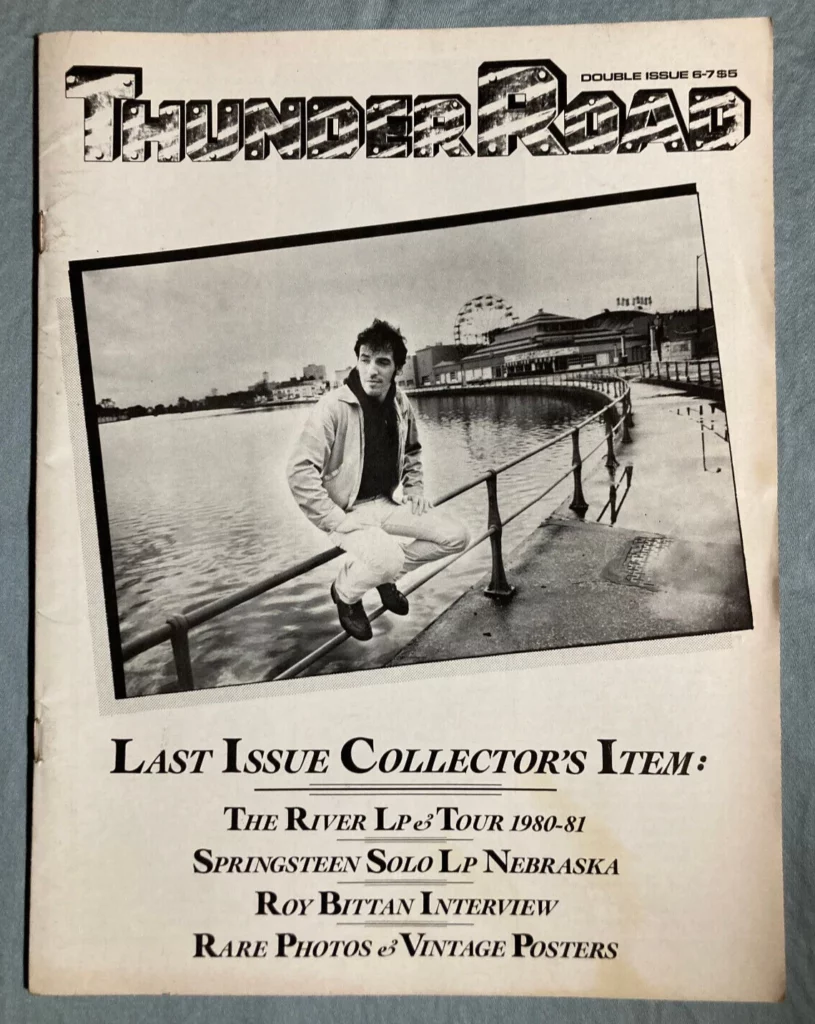
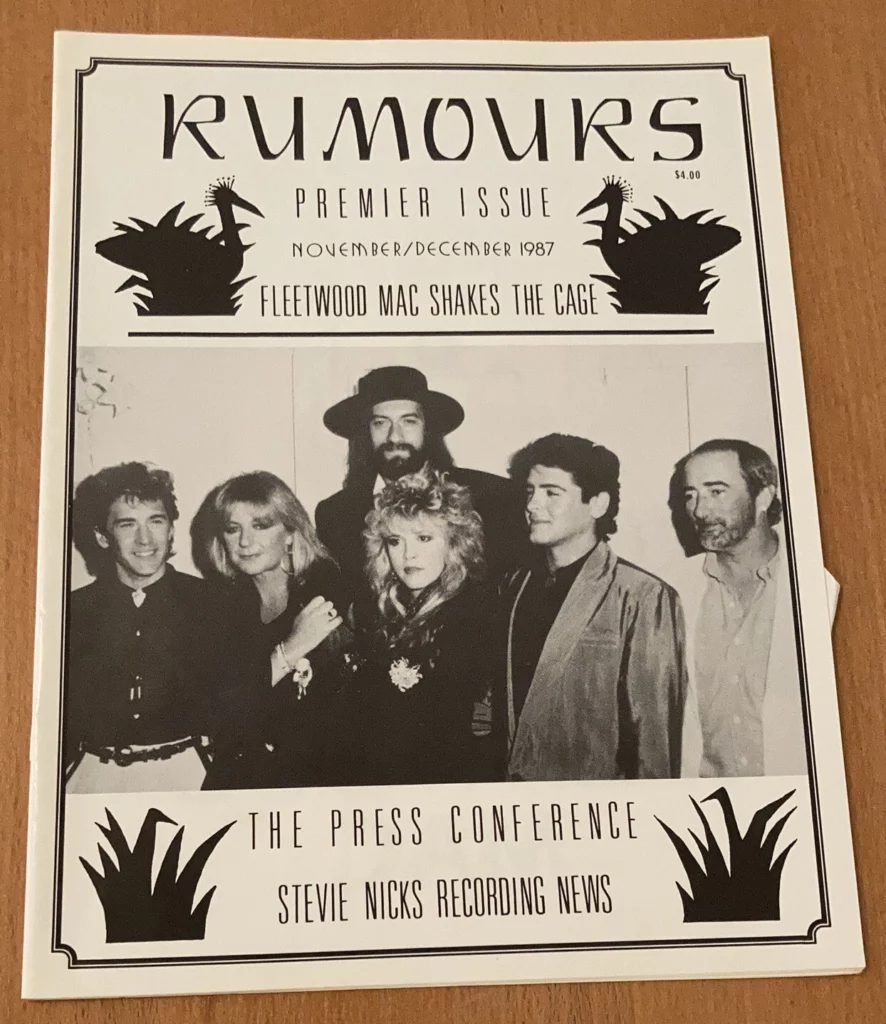
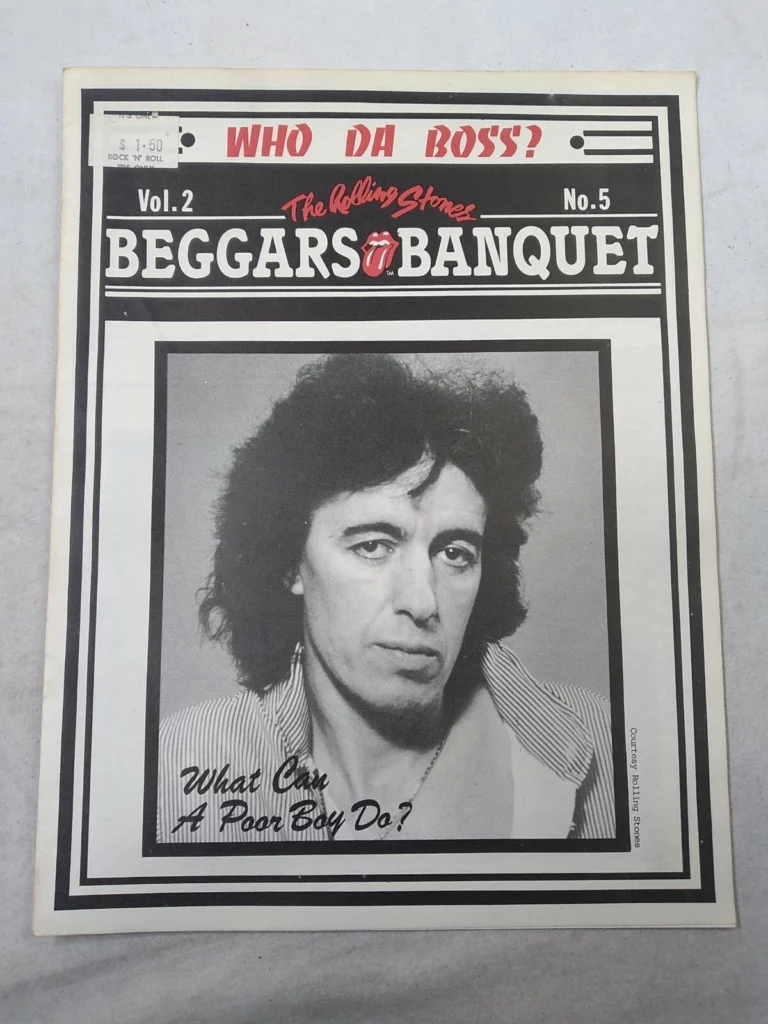
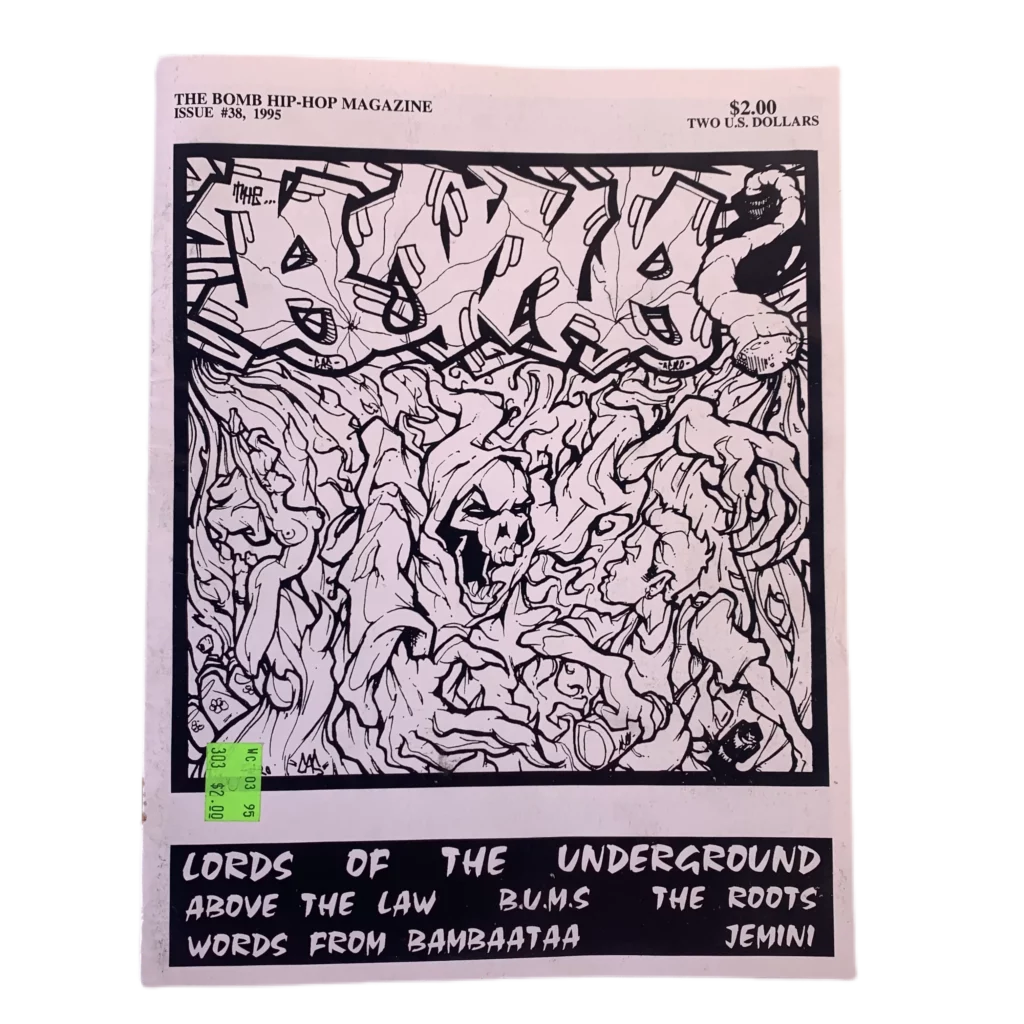
- A zine about an era or topic (the 1980s protest music, grunge protest music, blues as protest; etc.), such as Riot Grrrl zines, and a few issues created.
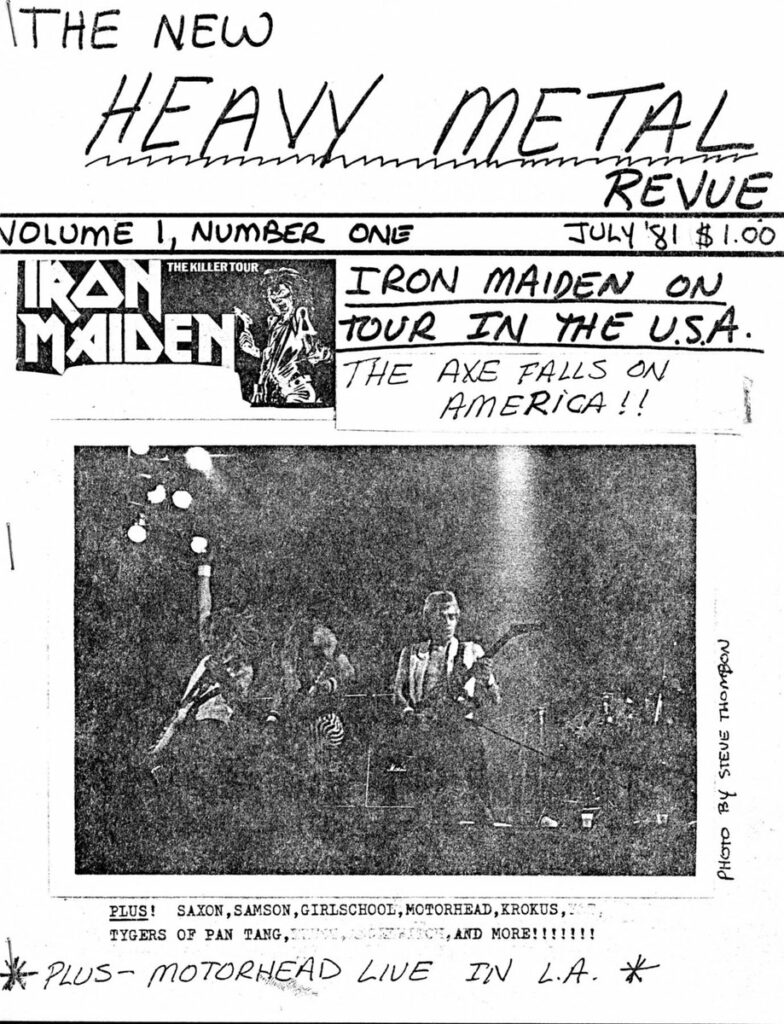
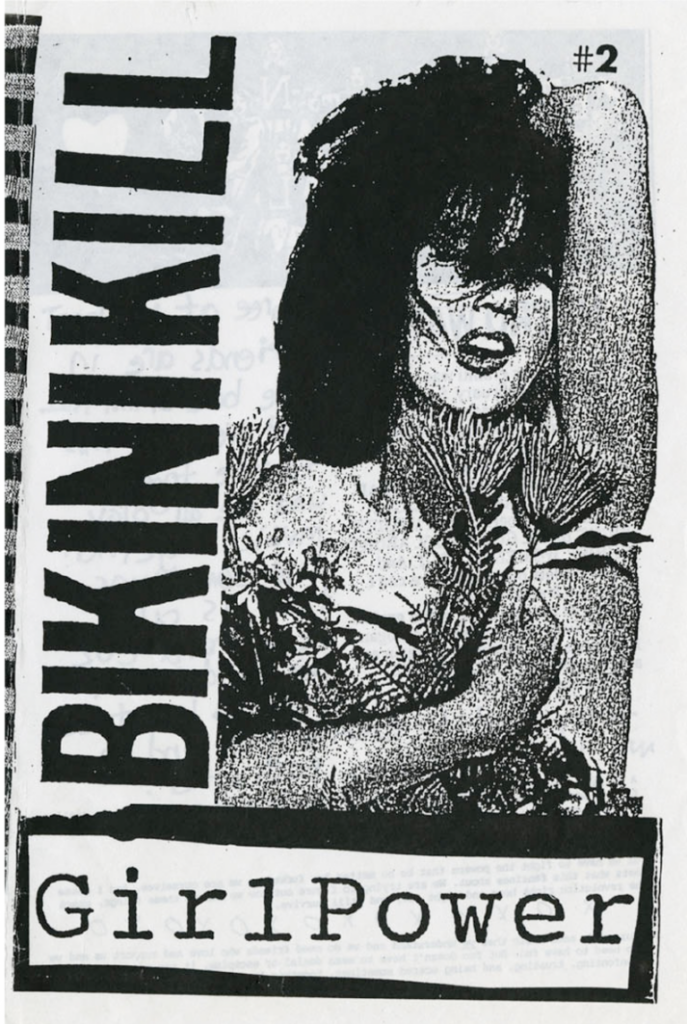
- Recreate a series of album covers to highlight the protest and/or social justice-themed issues in the songs on the album.
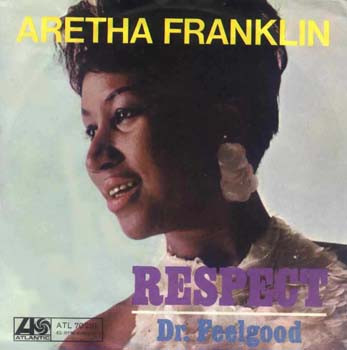
- Recreate a series of 45rpm record sleeves for individual songs. Here are some originals:
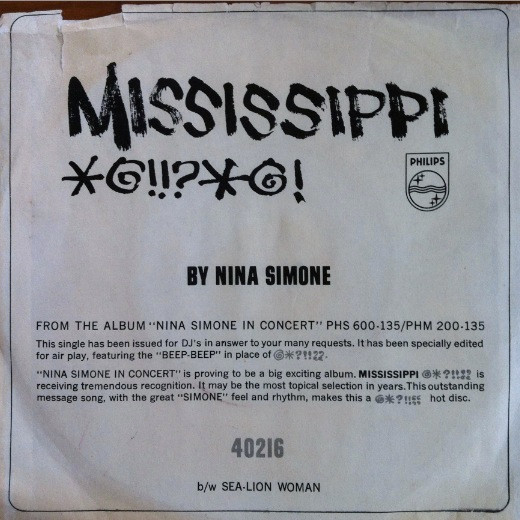
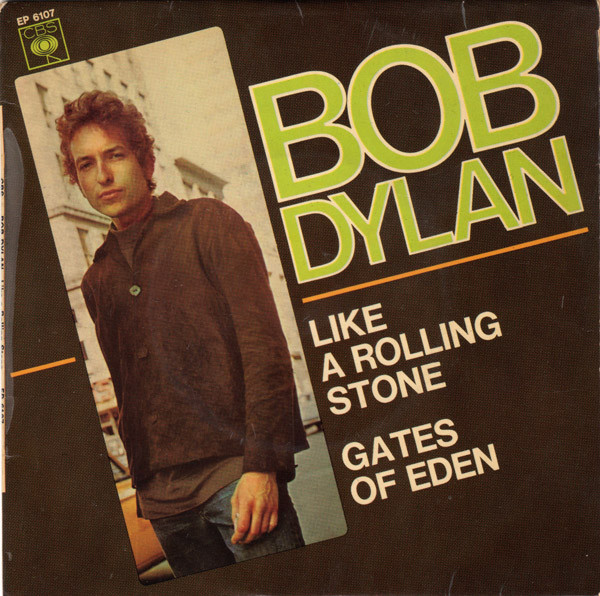
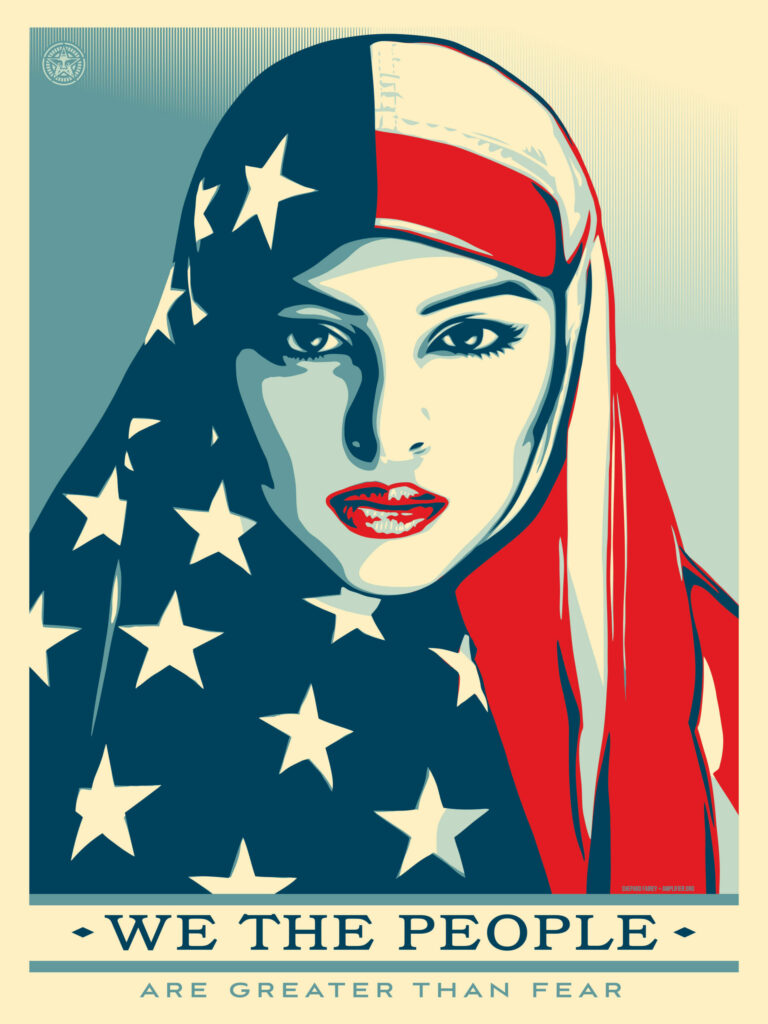
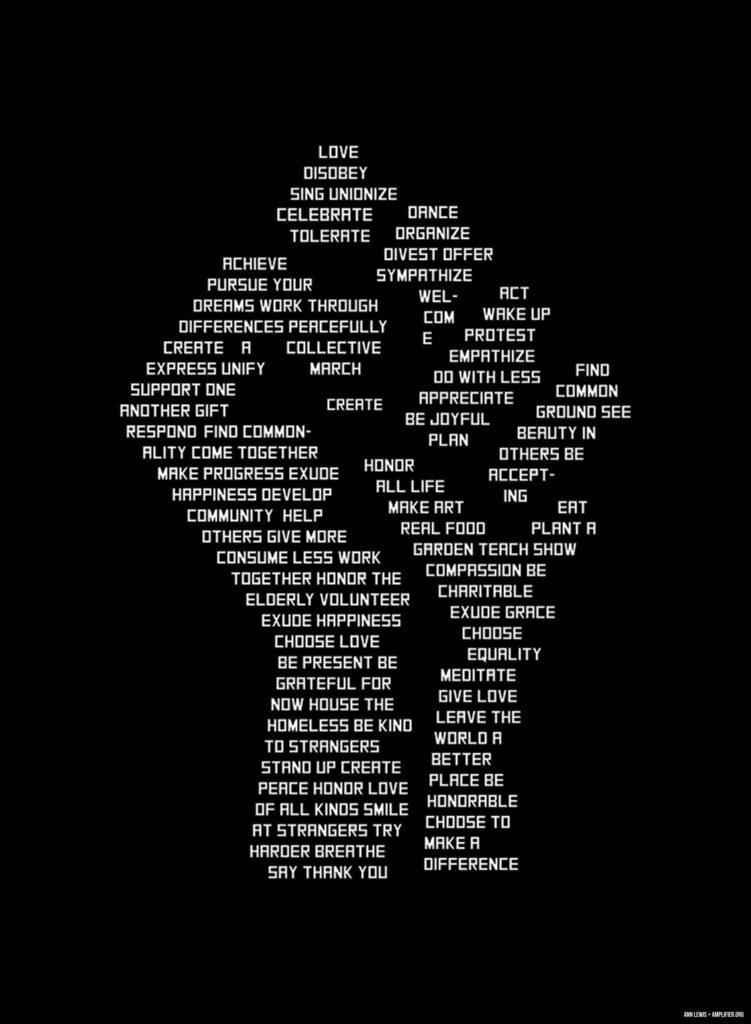
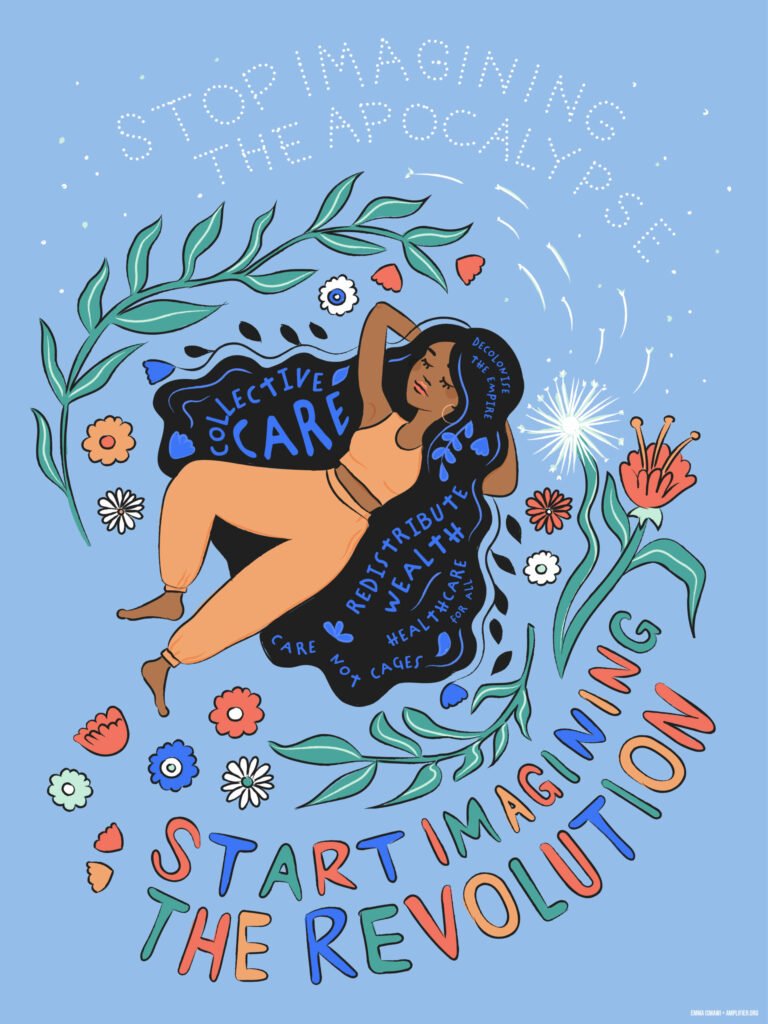
- A Protest Icons poster series to highlight contemporary artists and the protest and/or social-justice issues they championed, in the same vein as those created by Amplifier Art, but with music themes.
- Create designs, merch, photographs, or other materials for local a local band that champions protest and/or social-justice themes.
If none of these seem interesting to you, and you have an idea, let’s talk about it! Email me and we can set up a time to meet, though it will need to be the week of March 16.
Scope of the Projects
Each project will have a unique scope–that is, length of podcast, number of images, and so on. The scopes will be in a range, with a certain number equally a maximum grade the project can potentially receive. For some of the topics listed above, here is the scope:
- Podcast on a single song
- A-range: 7-8 minutes
- B-range: 6-7 minutes
- C-range: below 6 minutes
- Podcast Series with one podcast created
- A-range: podcast series created with logo, 5 episodes described, one 6-7 minute podcast
- B-range: podcast series created with logo, 5 episodes described, one 4-6-minute podcast
- C-range: podcast series created with logo, 4 episodes described, one below 4-minute podcast
- Protest Music Festival
- A-range: to be determined in conversation with Bill
- B-range: to be determined in conversation with Bill
- C-range: to be determined in conversation with Bill
- Fanzine on a particular artist
- A-range: TBA
- B-range: TBA
- C-range: TBA
- Fanzine on a particular era or topic
- A-range: TBA
- B-range: TBA
- C-range: TBA
- Recreated album covers
- A-range: TBA
- B-range: TBA
- C-range: TBA
- Recreated 45rpm sleeves
- A-range: TBA
- B-range: TBA
- C-range: TBA
- Music protest posters
- A-range: TBA
- B-range: TBA
- C-range: TBA
- Merch for local band
- A-range: to be determined in conversation with Bill
- B-range: to be determined in conversation with Bill
- C-range: to be determined in conversation with Bill
Any other topic scope will be determined in conversation with Bill.
Individual Song Podcast Song Selection
Some guidelines and tips for selecting a song:
- The song must have been released within the student’s lifetime.
- The song can be an original composition or can be a re-interpretation of an older song (such as when in 2006 Springsteen redid the slavery spiritual, “O Mary Don’t You Weep”).
- The song can be an overt protest song (such as, anti-war or against a political person) or can be about an important social justice issue
- Don’t limit yourself to songs about race just because that’s mainly what we have covered so far in class. The song you choose can be about any form of protest and/or social justice, which includes labor issues, poverty, women’s rights and empowerment, LGBTQ+ rights and empowerment, abuses of power, bullying, religious intolerance, Native American discrimination, environmental justice, and so on. And since the songs are to have been released in your lifetime, that includes all the post-9/11 anti-war songs, too.
- Steer away from recent songs that have been analyzed to pieces. For example, Childish Gambino’s “This is America” is an excellent song with a phenomenal video, but the video has been deconstructed to the micro-second level. There isn’t as much room for you to do work with it.
- Avoid songs that cover a variety of social justices issues in one song. For example, “Junky” by Brockhampton is a social justice-related song, but each member of the band sings about a different issue. It’s hard to narrow down a subject when that happens.
- Avoid songs that are so lyrically dense that pulling out one issue will be difficult, especially because of the time limit we have
- Avoid “We Are The World”-type collaborations, like in the Will.I.Am and others’ remake of the Black Eyed Peas’, “Where is the Love.” Too many people and the video is just all over the place.
- The video can be the object that draws you to the song, so you can feel free to focus on that primarily, especially if it is the video that suggests, reinforces, or solidifies the idea that the song is a protest/social justice song.
- Try to avoid songs that are too obvious. The more work you need to do the more nuanced your discussion will be. Consider, for example, the complexity of our analysis of “Born in the U.S.A.” when we had to consider the (supposed) paradox of the lyrics versus the music.
- This work should challenge you in new ways. It should not be easy.
The following songs cannot be chosen because they have been analyzed too often, we will be listening to them in class, and/or students have covered them in the past:
- songs from Lemonade
- any other song on the course list of songs or the Spotify Playlist
- any of the songs covered by NPR’s American Anthem series
- “1-800-273-8255” by Logic
- “A Living Human Girl” by The Regrettes
- “American Idiot” by Green Day
- “At the Purchaser’s Option” by Rhiannon Giddens
- “Be Free” by J. Cole
- “Big Yellow Taxi” by Joni Mitchell
- “Breakfast” by Dove Cameron
- “Burn the House Down” by AJR
- “Butchered Tongue” by Hozier
- “Cause I’m a Man” by Tame Impala
- “Chains” by Usher
- “Cherry Wine” by Hozier
- “Cough Syrup” by Darren Chris
- “Crooked Smile” by J. Cole
- “Don’t Shoot” by The Game
- “Don’t Touch My Hair” by Solange
- “Fake Happy” by Paramore
- “Female” by Keith Urban
- “FOR MY PEOPLE” by Joey Bada$$
- “Girl in a Country Song” by Maddie & Tae
- “Glory” by John Legend and Common
- “Guerilla Radio” by Rage Against the Machine
- “Hunger” by Florence + The Machine
- “I Might Vote For Donald Trump” by JPEGMAFIA,
- “I’m Not Okay” by My Chemical Romance
- “i” by Kendrick Lamar
- “Just a Girl” by No Doubt
- “Keep Ya Head Up” by Tupac
- “Looking For Somebody (To Love)” by the 1975
- “Love it if we Made it” by The 1975
- “Make Me Feel” by Janelle Monae
- “Memory Boy” by Tigercub
- “My Mind is for Sale” by Jack Johnson
- “Mystery of Iniquity” by Lauryn Hill
- “Neighbors” by J.Cole
- “Not Ready to Make Nice” by The Dixie Chicks
- “Now” by Miguel
- “P.M.R.C.” by the Bouncing Souls
- “Paranoia” by Chance the Rapper
- “Praying” by Kesha
- “Preach” by John Legend
- “Pretty Hurts” by Beyonce
- “Promises & Pills” by SOJA
- “Pumped Up Kicks” by Foster the People
- “Salt” by Bad Suns
- “Same Love” by Macklemore and Ryan Lewis (with Mary Lambert)
- “Scars To Your Beautiful” by Alessia Cara
- “Skinny” by Emmy Russell
- “TEMPTATION” by Joey Bada$$
- “The Bigger Picture” by Lil’ Baby
- “The Blacker the Berry” by Kendrick Lamar
- “The Kill” by Fugazi
- “The Man” by Taylor Swift
- “The Story of O.J.” by Jay-Z
- “This is Why” by Paramour
- “Til It Happens to You” by Lady Gaga
- “War Pigs” by Black Sabbath
- “What About Us” by Pink
- “Where is the Love?” (2003) by Black Eyed Peas
- “White Boy” by Bikini Kill
- “Wild Hearts Can’t be Broken” by P!nk
- “Woman” by Doja Cat
- “XXX” by Kendrick Lamar
- “You Don’t Own Me” (2016) by Grace
- “You Need to Calm Down”
- “Zombie” by The Cranberries
Proposal Specifics
I have created a form for you to submit your proposal.
Please submit it no later than Wednesday, 3/25 at 11:00pm.
Due Dates
to be added